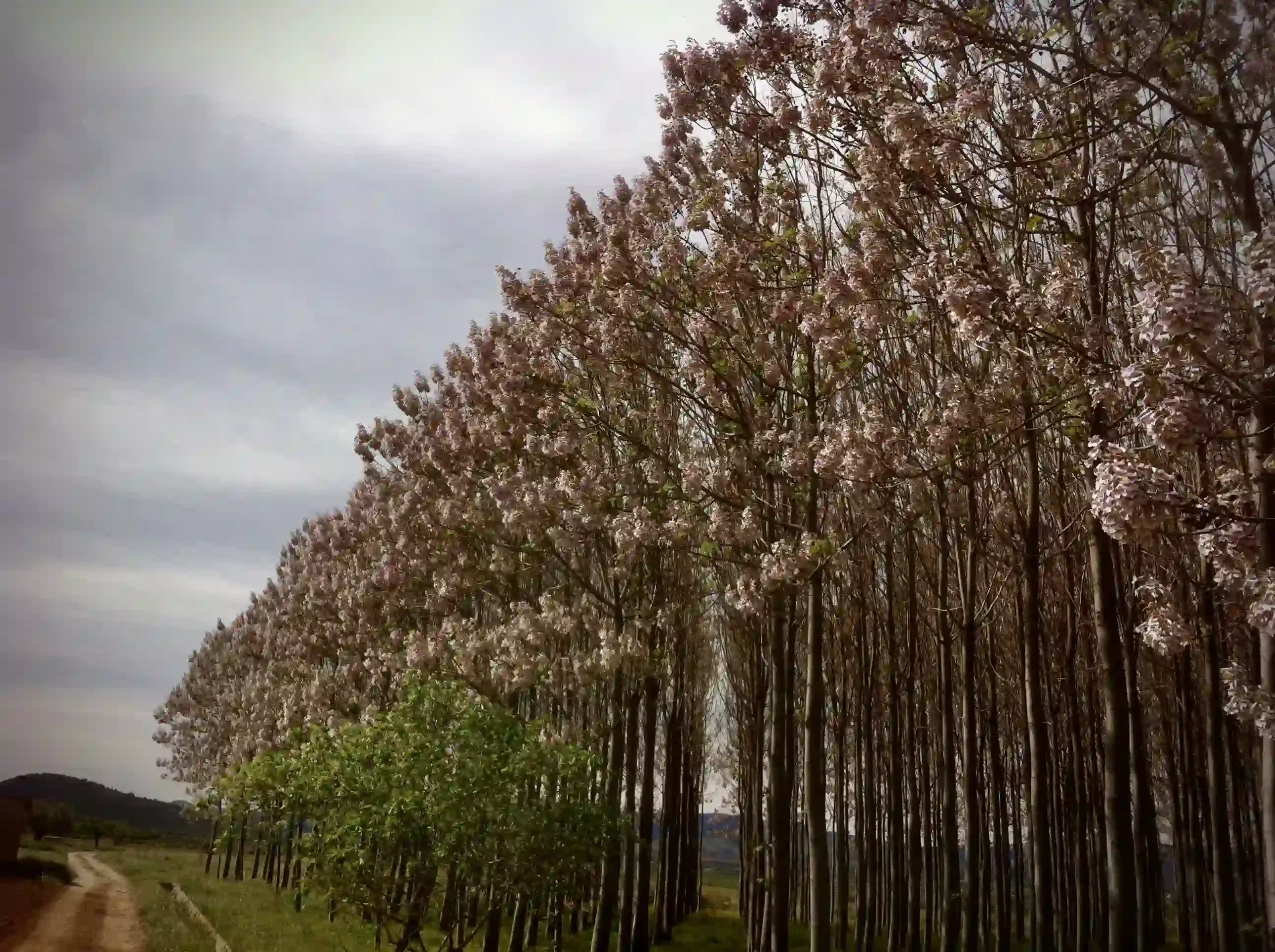
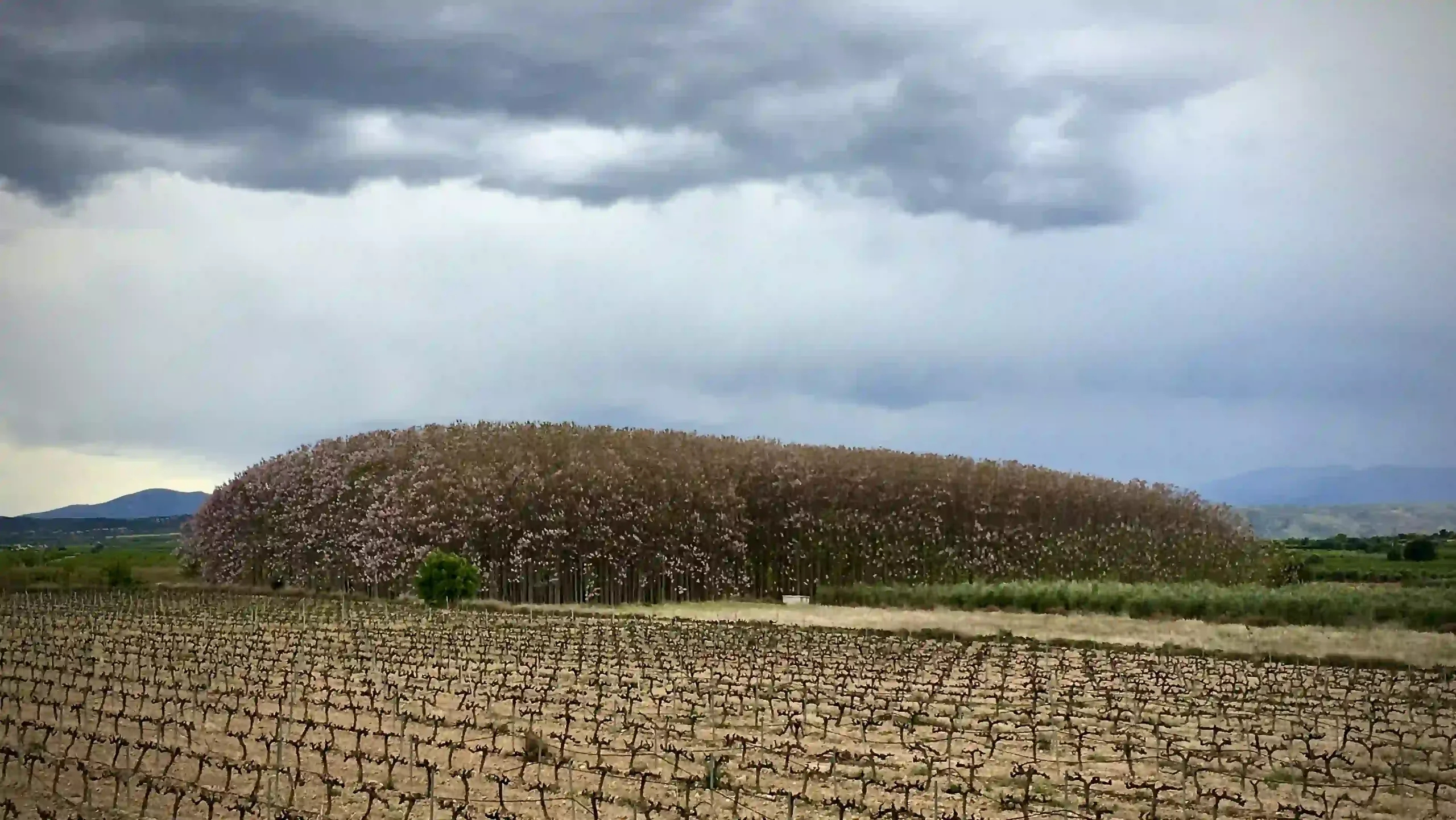
Paulownia wood is gaining ground in surf and kiteboard manufacturing for a simple reason: it offers a genuine, measurable environmental advantage without sacrificing performance. Grown in our Valencia plantations, it provides a traceable, low-impact alternative to synthetic foam and imported hardwoods. But beyond the marketing buzzwords, what makes it technically and ecologically superior?
Real Carbon Capture, Not Just Marketing
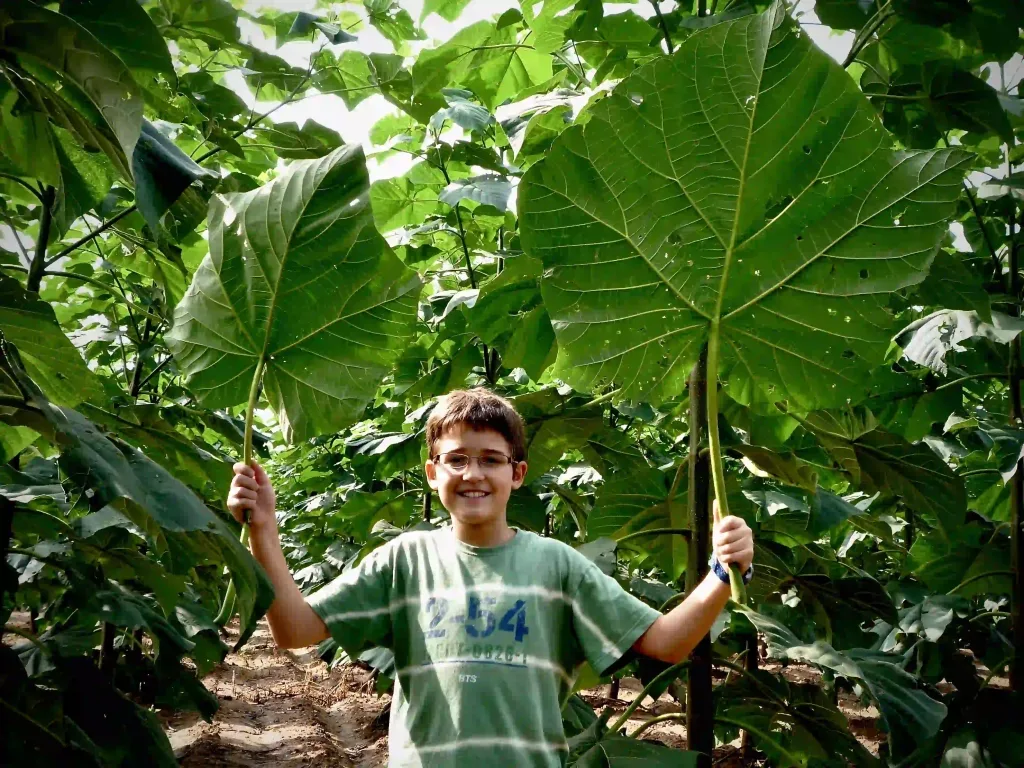
Paulownia grows rapidly, establishing a strong root system and significant biomass in its first year. This rapid growth translates directly into high carbon sequestration. Studies indicate that a well-managed Paulownia plantation (around 500–600 trees per hectare) can capture between 13 and 18 tons of CO₂ annually per hectare.
Crucially, the sustainability of Paulownia goes beyond just absorbing CO₂. Because the stump naturally regenerates after harvesting (up to 3 to 5 times over its productive life), the soil is not repeatedly tilled, plowed, or replanted. This “no-till” approach preserves soil structure, prevents erosion, and keeps existing carbon locked in the ground, making it a truly regenerative crop.
Paulownia vs. Synthetic Foam: The Performance Reality
Sustainability means nothing if the board doesn’t perform. Many riders wonder how wood compares to traditional PU or EPS foam. The difference lies in the ride dynamics:
Clean workability: For shapers, Paulownia cuts, sands, and shapes cleanly. It produces natural wood dust, not the toxic microplastics associated with sanding synthetic foam, making the workshop environment significantly healthier.
Weight-to-strength ratio: At approximately 280–300 kg/m³, Paulownia is one of the lightest structural woods available. When engineered in a sandwich construction with bamboo, it creates a board that is incredibly strong yet lively and responsive.
Flex and damping: Foam is essentially dead weight that relies entirely on heavy fiberglass and resin to avoid snapping. Wood has natural memory and flex. A Paulownia core absorbs chop and vibration, delivering a dampened, smooth ride that foam simply cannot replicate.
Dimensional Stability and Water Resistance
A common misconception is that wood and water don’t mix. While raw, unsealed wood is porous, a properly constructed Paulownia board is highly durable. When encapsulated in a quality epoxy or polyester resin sandwich, the wood is completely isolated from moisture. Unlike foam, which can absorb water through dings and become waterlogged and heavy, a sealed wooden core maintains its structural integrity and dimensional stability for years, even with heavy use.
Traceability and the Local Economy
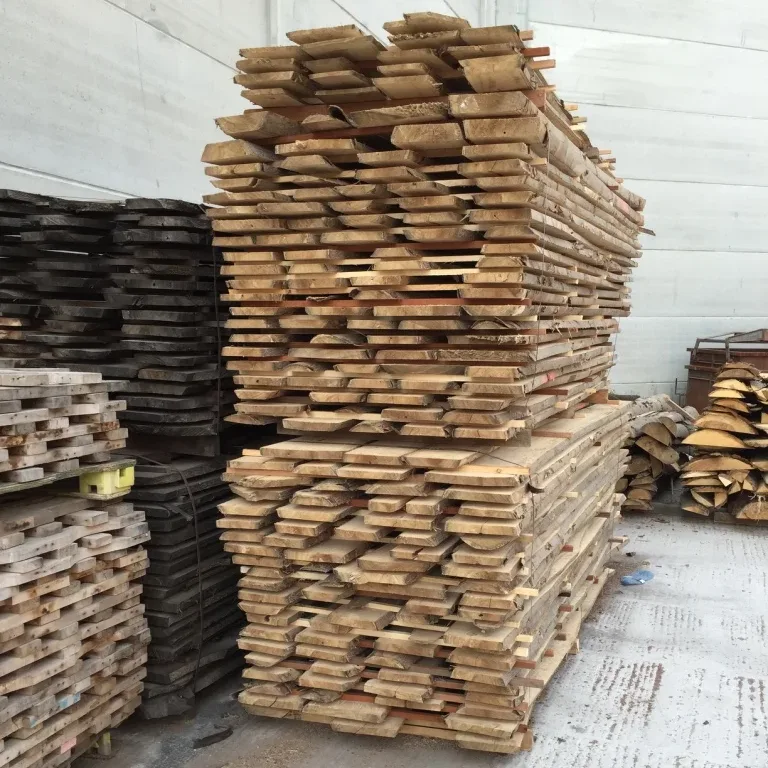
At Paulownia Natural Growers, we control the entire process. Our boards and blanks start in our Valencia plantations. If demand exceeds our immediate harvest, we source exclusively from other verified local growers in the region. This keeps the supply chain short, drastically reduces transport emissions, supports the local Valencian agricultural economy, and guarantees that no imported, questionable timber enters our workshop.
What We Build and Supply
We apply this material to two main areas:
- Finished Boards: TK Kiteboards (battle-tested in competition at the Défi Kite in Gruissan), bellyboards, foilboards, and handplanes.
- Shaper Supply: Pre-shaped blanks (Tiki, Alaia, Paipo), laminated panels, and raw timber for independent shapers and manufacturers.
How to Care for Your Paulownia Board
To ensure your board lasts a lifetime, basic maintenance is key:
- Rinse after use: Always rinse with fresh water to remove salt and sand, which can degrade the resin finish over time.
- Avoid extreme heat: Do not leave the board in direct, intense sunlight (like inside a closed car) for extended periods, as extreme heat can affect the resin, regardless of the core material.
- Repair dings promptly: While the wood core is protected by the laminate, fixing surface dings quickly prevents water from reaching the core and maintains the board’s performance.
The Bottom Line
Choosing a Paulownia board or blank isn’t just about buying an “eco-friendly” product. It’s about choosing a material that performs better, lasts longer, and comes with a fully transparent, regenerative lifecycle.